National Neurology Transformation Meeting
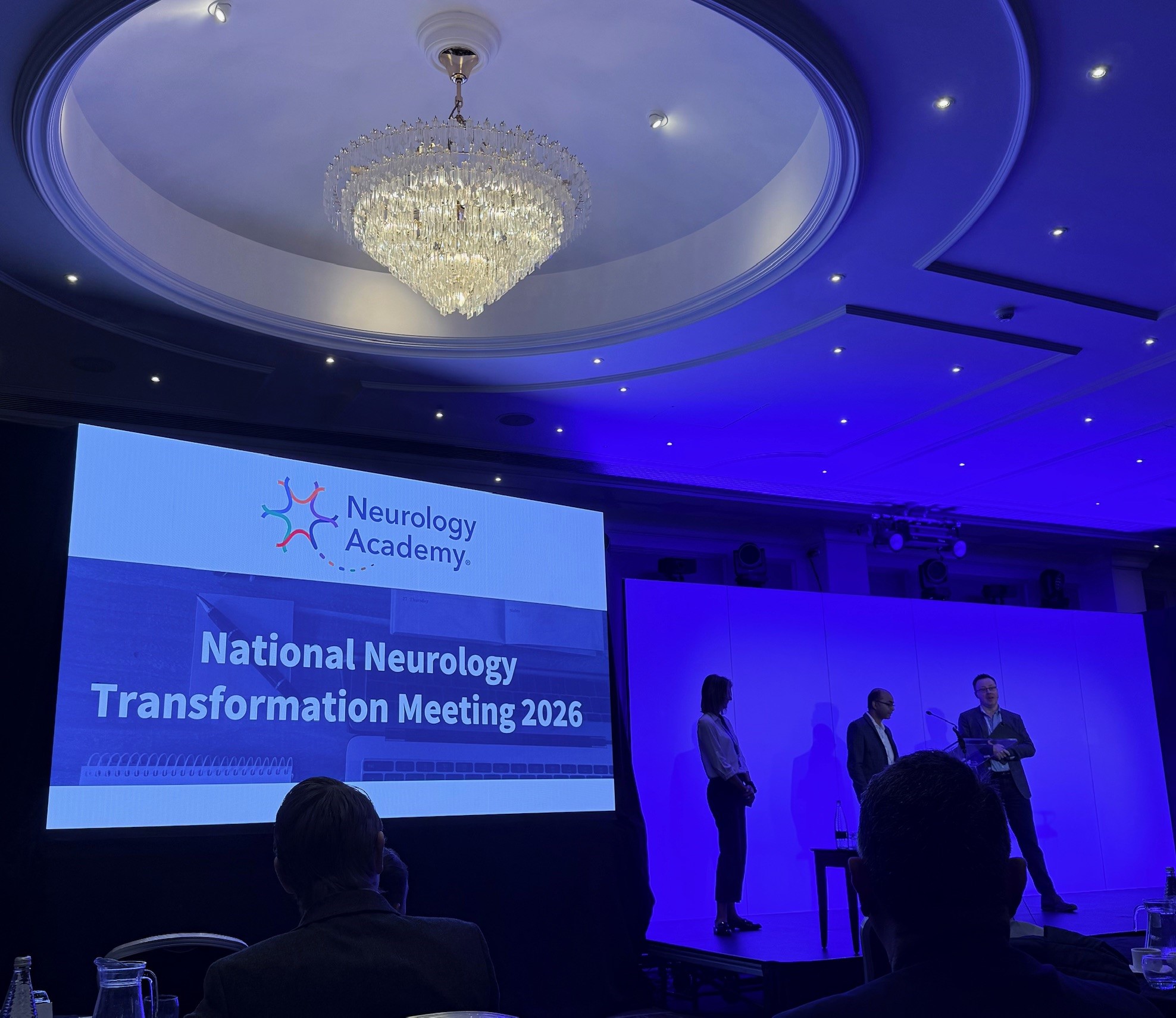
Our Facilitator, Cillian O’Briain, attended the National Neurology Transformation Meeting on the 4th February in Birmingham, along with many other representatives from the region. It was a good chance to connect with colleagues across neurology and hear how others are managing the ongoing changes in the NHS. The event brought together clinicians, commissioners and VCSE partners, all trying to improve services in a system that’s shifting quickly.
Much of the discussion focused on the changes with the Integrated Care Boards and how new national structures, including the UK Neuro Forum, are shaping future planning. These changes are already influencing how neurology pathways are commissioned, so it was useful to hear how different areas are approaching the same issues.
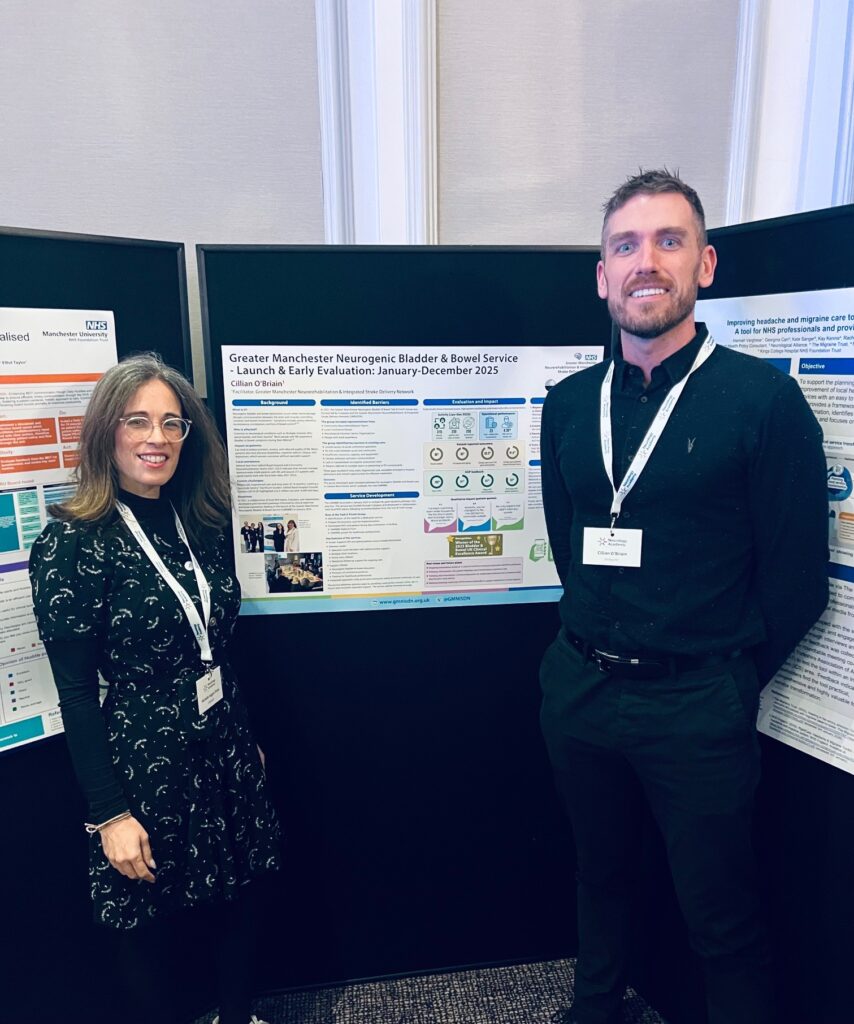 Our poster on the GM Neurogenic Bladder and Bowel Service, now 12 months in, was displayed throughout the day. It sparked plenty of good conversations with people working on similar challenges. Events like this make it easier to share what’s working, pick up new ideas and avoid reinventing the wheel.
The sessions stayed practical. There was a clear focus on reducing variation in care, improving transitions, strengthening links between neurology, mental health and stroke, and making better use of data to support consistent decision‑making. Workforce came up a lot too, especially the need for better long‑term planning and more reliable workforce data across MDT roles.
One of the most powerful moments of the day came from a person with lived experience who spoke openly about what it felt like to go through a neurological diagnostic journey without their mental health needs recognised. It really hit home how easily this part of someone’s care can be missed, especially for patients who already have a history of mental health challenges. These experiences need to be acknowledged and addressed as part of their overall care, not treated as separate or secondary. The journey from first symptoms through diagnosis can be frightening, particularly for people living with progressive conditions, and their insight made that very clear. Their honesty was thought‑provoking and a strong reminder that listening properly and asking the right questions at the right time can make the whole experience feel safer and more supported.
A wide range of national resources were also highlighted, including updated toolkits, service specifications and guidance aimed at helping teams strengthen pathways and improve access. These tools are part of the wider transformation work happening across England to reduce variation and support faster, more coordinated care.
Overall, the day felt productive. The system is changing fast, but there’s a real sense of people wanting to work together, share what’s going well and keep improving services despite the pressure. That collaborative approach came through in almost every session.