Welcome to our regular online bulletin bringing you news about the network and the wider world of stroke and neurorehabilitation |
| |
|
Network news
The current reconfiguration of NHS systems and infrastructure means that many regions are reducing investment in networks, at least for the time being. Our provider‑funded/hosted model enables us to continue, however, it is vital that we demonstrate our value and the positive impact we have on local services and patient care.
We are delighted to have completed recruitment of two new Community Clinical Leads to the network team. Both will work half a day a week, working closely with our Clinical Director Dr Krishnamoorthy.
 Stuart McDarby joined us at the start of February and is Co-Lead of the Bury Community Stroke & Neurorehabiliation Team. He is an experienced specialist Physiotherapist, and has worked in inpatient and community services. Stuart McDarby joined us at the start of February and is Co-Lead of the Bury Community Stroke & Neurorehabiliation Team. He is an experienced specialist Physiotherapist, and has worked in inpatient and community services.
Susan heads up the neighbouring Bolton community service, and is also a Physiotherapist with significant experience in stroke and neurorehabiliation services. She was previously our Clinical Associate for Workforce Development and will commence in early April. service, and is also a Physiotherapist with significant experience in stroke and neurorehabiliation services. She was previously our Clinical Associate for Workforce Development and will commence in early April.
Dr Jungim Kwon will complete her tenure as our Acute Lead at the end of March. We will begin the process of appointing a new inpatient lead in the coming weeks.
The network team is currently undergoing organisational change, with two Facilitators and our Administrator leaving due to financial pressures on next year’s budget. We will share full details once the process concludes. In the meantime, work is being redistributed across the remaining team members.
Despite these changes, the network continues to support a broad portfolio of projects, which we will be reviewing to prioritise new additions in the next month or so.
|
| |
|
New Bladder & Bowel Service commended
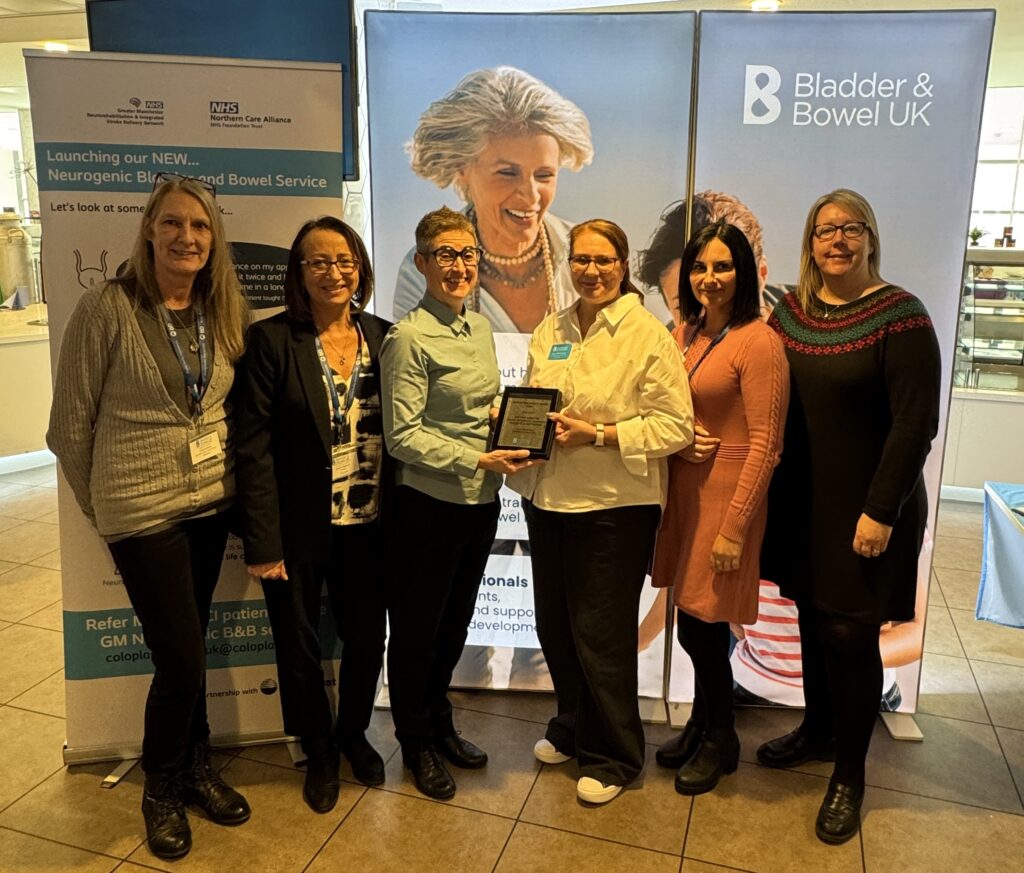 On 4th March, the network, together with colleagues from Coloplast, attended the Bladder & Bowel UK North West Symposium at the Etihad Stadium to receive an award for the Greater Manchester Neurogenic Bladder and Bowel Service. On 4th March, the network, together with colleagues from Coloplast, attended the Bladder & Bowel UK North West Symposium at the Etihad Stadium to receive an award for the Greater Manchester Neurogenic Bladder and Bowel Service.
The award was presented to our Network Manager, Sarah, who was joined by Louise, a community nurse from Salford, and Vicky, a continence nurse from Wigan. Both played pivotal roles in the clinical collaboration that helped design and launch the new service, which is funded by Coloplast.
Sarah, alongside Clare, the specialist nurse who delivers the service, then provided an overview of the work undertaken to date. Sarah concluded by highlighting the early impacts, including excellent satisfaction rates from both patients and referring clinicians, as well as emerging evidence of financial benefits for NHS services. You can view the presentation slides here. delivers the service, then provided an overview of the work undertaken to date. Sarah concluded by highlighting the early impacts, including excellent satisfaction rates from both patients and referring clinicians, as well as emerging evidence of financial benefits for NHS services. You can view the presentation slides here. |
| |
|
Next phase of spasticity improvement
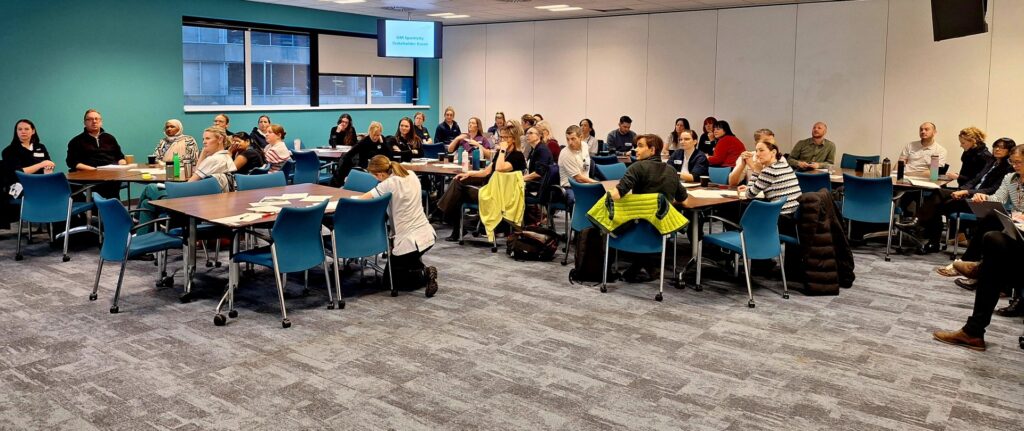 Equitable access to spasticity management for stroke and neurorehabilitation patients that meets the Royal College of Physicians national clinical guideline has been an issue in the region for many years. To try and make impactful change, the network brought together stakeholders from clinical teams across Greater Manchester in mid January to discuss the results of our comprehensive audit of services and discuss plans for the future. Equitable access to spasticity management for stroke and neurorehabilitation patients that meets the Royal College of Physicians national clinical guideline has been an issue in the region for many years. To try and make impactful change, the network brought together stakeholders from clinical teams across Greater Manchester in mid January to discuss the results of our comprehensive audit of services and discuss plans for the future.
The morning was chaired by our former Inpatient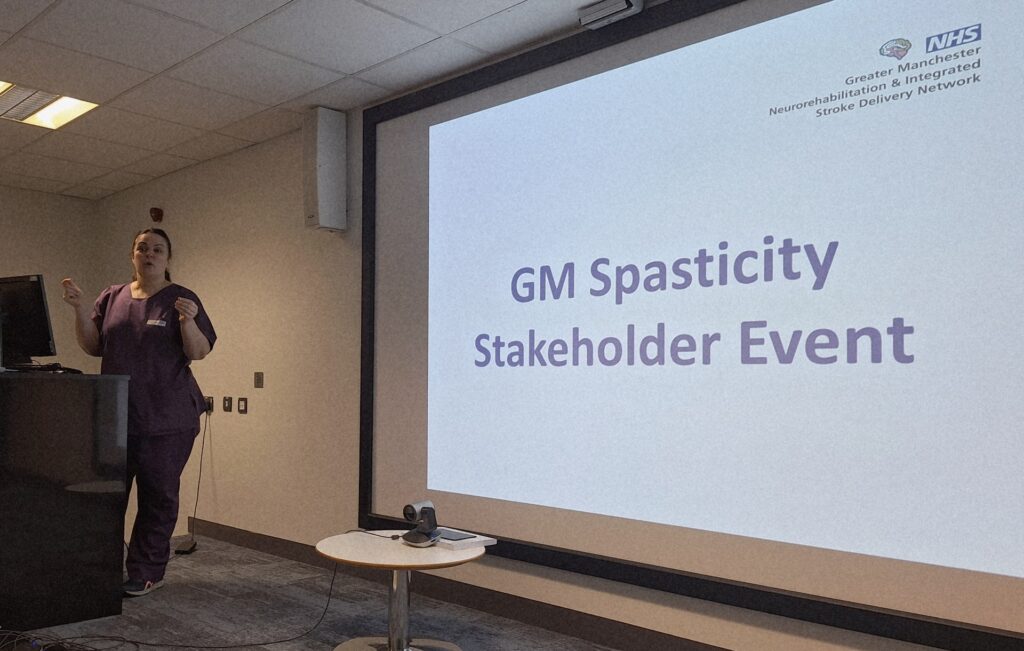 Rehabilitation Clinical Lead Rachael Collins, who guided attendees through the audit results and potential improvements that we could work towards. Rehabilitation Clinical Lead Rachael Collins, who guided attendees through the audit results and potential improvements that we could work towards.
The session also featured Kirsty, a new Non-Medical Injector in Stepping Hill stroke service who shared her journey. We were also treated to very informative remote presentations from two senior practitioners leading spasticity services in North and also South London, to show what could be achieved.
There was discussion in groups about what should be focused on, what is low hanging fruit for improvement, and who do we need to involve to influence change. A Steering Group and Task and Finish Groups are now being established and will start meeting in early May. |
| |
|
Genotyping in stroke

On 18th March, we attended the Health Innovation Manchester event, Spotlight on Point of Care Testing (PoCT) within Greater Manchester. Professionals from across the region explored the growing role of PoCT in clinical pathways, discussing real‑world implementation, industry partnerships, patient and public involvement, pathway redesign, quality assurance, and addressing health inequalities.
Our Manager presented our experience of a recent PoCT pilot identifying stroke and TIA patients who may be resistant to clopidogrel. Dr Dwai Sen, Stroke Physician at Salford Royal Hospital and clinical lead for the pilot, outlined how the team developed and implemented testing using the Genedrive system.
Dr Sen reported that around one third of patients do not metabolise clopidogrel effectively, meaning they require alternative treatments to reduce cardiovascular risk. He also noted that loss‑of‑function variants are more common in some ethnic minority groups, highlighting the value of genotyping in personalised secondary prevention. not metabolise clopidogrel effectively, meaning they require alternative treatments to reduce cardiovascular risk. He also noted that loss‑of‑function variants are more common in some ethnic minority groups, highlighting the value of genotyping in personalised secondary prevention.
The event also provided opportunities for networking, sharing learning, and exploring future collaboration across the diagnostics landscape.
|
| |
|
Updated mood and cognition guidance
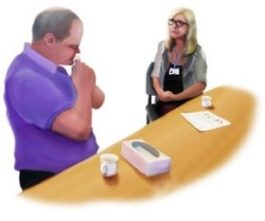 We recently approved an update to our Cognition and Mood in Stroke Guidance. This provides strengthened regional standards for the screening and assessment of cognitive and emotional difficulties following stroke, initially collaboratively developed in 2019. We recently approved an update to our Cognition and Mood in Stroke Guidance. This provides strengthened regional standards for the screening and assessment of cognitive and emotional difficulties following stroke, initially collaboratively developed in 2019.
The revised guidance incorporates the National Clinical Guideline for Stroke (2023) and reflects an extensive clinical review. It offers clearer expectations on when and how cognition and mood should be assessed, who should undertake assessments, and how results should inform personalised rehabilitation and support. You can download the guidance and associated resources on our webpages. |
| |
|
New MS resource for professionals
As part of our ongoing work to improve care for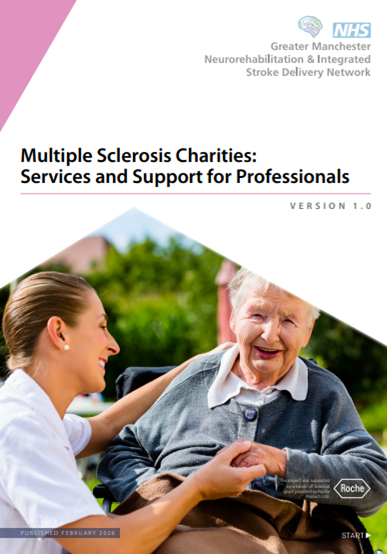 Greater Manchester residents living with Multiple Sclerosis (MS), we have developed a toolkit that brings together existing resources from national and local MS charities. Greater Manchester residents living with Multiple Sclerosis (MS), we have developed a toolkit that brings together existing resources from national and local MS charities.
The toolkit highlights what these charities offer to professionals and includes information resources, evidence and research, training opportunities, professional networks, and direct support services.
We are currently co‑designing a separate resource with people with lived experience, which will focus on the information needs of patients, carers, and family members. We will share this in the coming months. The toolkit will be updated quarterly, and the latest version will always be available to download from our website.
|
| |
|
Our Patient & Carer Group
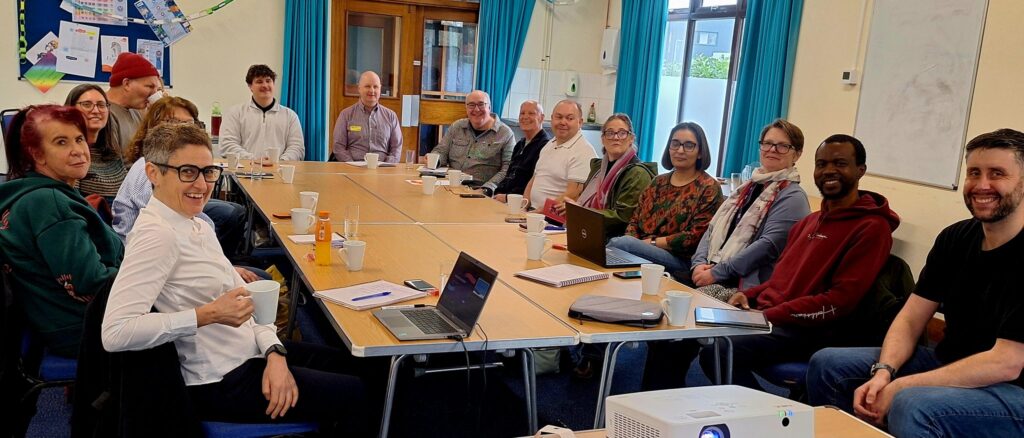
We held our most well attended meeting ever in March, with two new members joining the already established group. It was fantastic to have such a breadth of experience of people affected by a stroke or neurological condition including spinal injury.
The group met our new Community Lead Stuart, and also held a discussion on what matters to them. Their experience will help shape our new strategy which is due for renewal later in the year. |
| |
|
Cardiorespiratory training
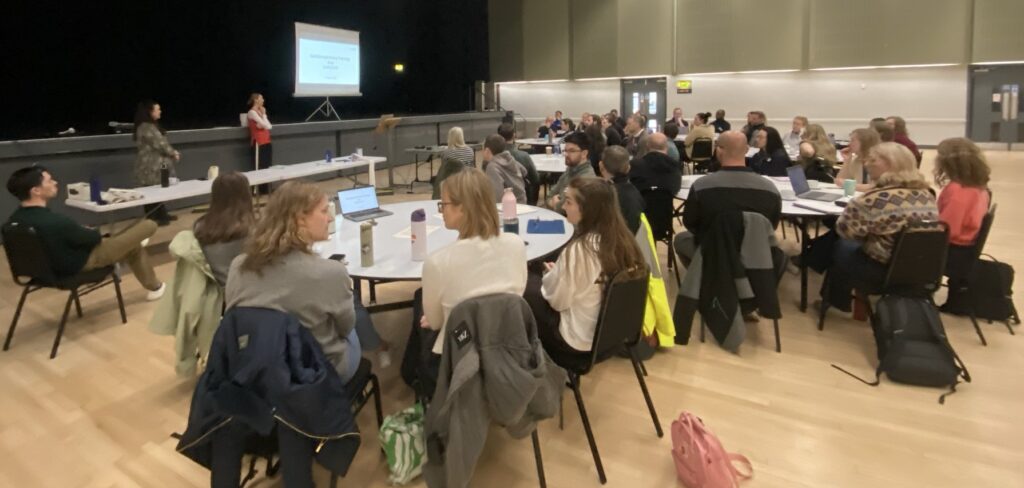
In March, we were delighted to collaboratively host a training day with local community leisure and fitness organisation GM Active.
The event focused on improving cardiorespiratory fitness and promoting long‑term physical activity for people post‑stroke across Greater Manchester. It covered the National Clinical Guideline for Stroke (2023) recommendations, which emphasise that most people with stroke or TIA should take part in regular, individualised exercise unless there is a specific contraindication. Participants were also introduced to the risk‑stratification tool to support decision‑making about when and for whom cardiorespiratory fitness exercise is appropriate.
The session explored current service provision across Greater Manchester and highlighted existing gaps. It aimed to address challenges such as inconsistent understanding of safe cardiorespiratory fitness delivery, varied use of outcome measures, and barriers including cost, transport and limited access to specialist staff. The training reinforced the importance of collaboration between NHS services and GM Active. aimed to address challenges such as inconsistent understanding of safe cardiorespiratory fitness delivery, varied use of outcome measures, and barriers including cost, transport and limited access to specialist staff. The training reinforced the importance of collaboration between NHS services and GM Active.
Each inpatient stroke rehabilitation team and community stroke team was invited to nominate 1–2 staff members to attend. These individuals will now be responsible for cascading the training within their local teams and supporting the integration of cardiorespiratory fitness post‑stroke into routine service delivery. |
| |
|
Patient & Carer engagement in MS
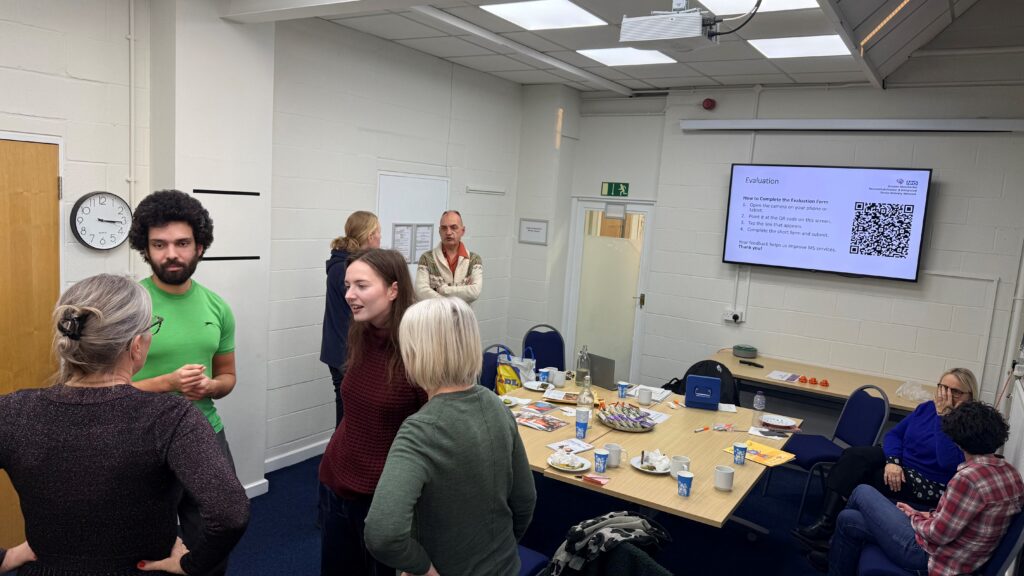 Our recent engagement event in January held in Central Manchester was a great success. It brought together people living with MS, carers, and service providers for an afternoon of learning and discussion. Our recent engagement event in January held in Central Manchester was a great success. It brought together people living with MS, carers, and service providers for an afternoon of learning and discussion.
Attendees heard updates on: the MS Nursing Service, Central Manchester Community Neurorehabilitation Team, local MS services offered by the MS Society and MS pathway development work across Greater Manchester.
The event provided a valuable opportunity for open conversation. People with lived experience shared their perspectives on accessing services—what works well and where improvements are needed. This feedback is invaluable and will help shape future MS care pathways in Greater Manchester.
|
| |
|
New national driving guideline
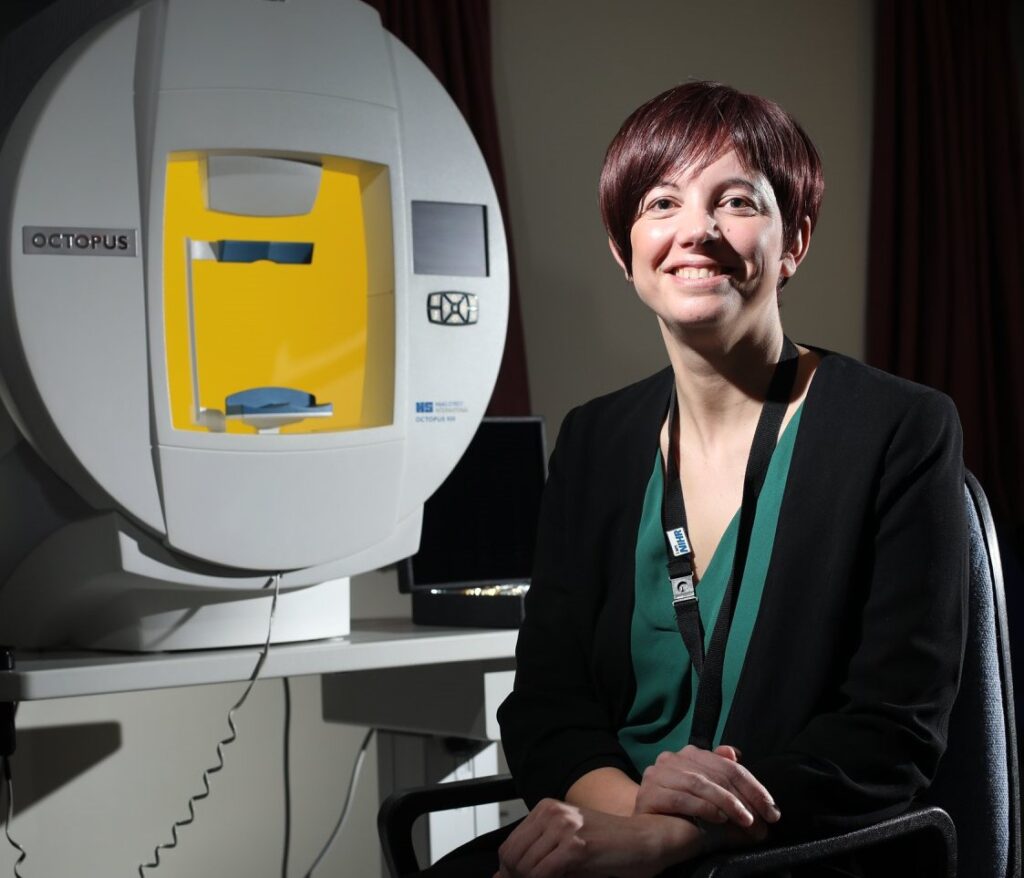 Consultant orthoptists Dr Claire Howard (pictured) and Dr Lauren Hepworth have developed a new national guideline for the British and Irish Orthoptic Society on orthoptists’ responsibilities in delivering driving advice and reporting concerns to the DVLA/DVA. Consultant orthoptists Dr Claire Howard (pictured) and Dr Lauren Hepworth have developed a new national guideline for the British and Irish Orthoptic Society on orthoptists’ responsibilities in delivering driving advice and reporting concerns to the DVLA/DVA.
To formally launch the new guideline, they delivered an evening training session, with a high attendance of almost 20 per cent of practicing orthoptic members nationally. The webinar was designed for any healthcare professional who advise drivers on their visual status with regard to driving, and aimed to update knowledge and ensure advice given to drivers is accurate and consistent, while maintaining road safety. |
| |
|
Different Strokes community events in Manchester
 The charity are delighted to announce that throughout 2026 they will be holding a series of small community events across the country. These half-day events will be a chance for stroke survivors to come and meet Different Strokes staff and volunteers, to hear from other working-age and younger stroke survivors, take part in activities, and most importantly to engage with other survivors and to share stories. The next event is on Friday 27th March with others planned for the year. People can sign up via their website. The charity are delighted to announce that throughout 2026 they will be holding a series of small community events across the country. These half-day events will be a chance for stroke survivors to come and meet Different Strokes staff and volunteers, to hear from other working-age and younger stroke survivors, take part in activities, and most importantly to engage with other survivors and to share stories. The next event is on Friday 27th March with others planned for the year. People can sign up via their website.
|
| |
|
Stroke Unit visits
In February, the network began its latest round of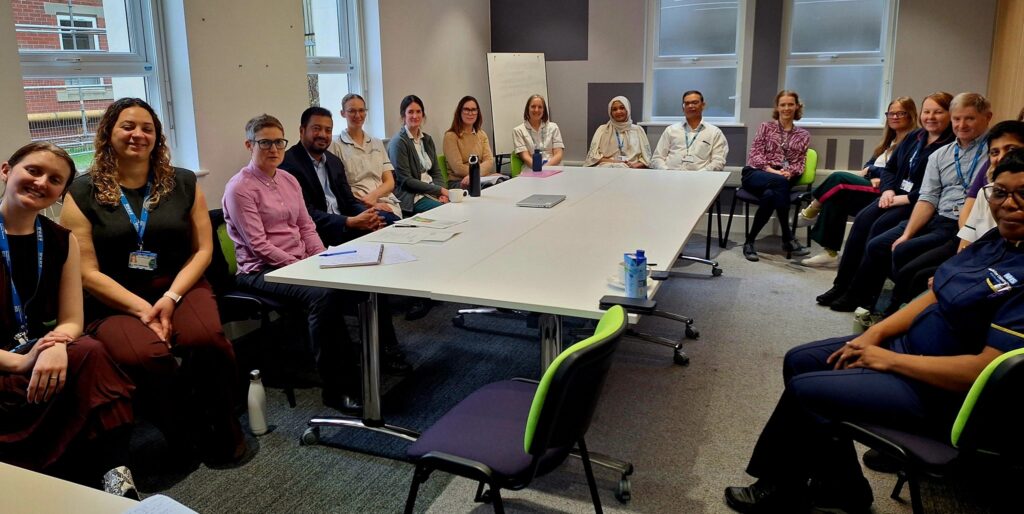 visits to the region’s eight stroke units. So far, the team has visited Fairfield General Hospital, Manchester Royal Infirmary and Trafford General Hospital (pictured). visits to the region’s eight stroke units. So far, the team has visited Fairfield General Hospital, Manchester Royal Infirmary and Trafford General Hospital (pictured).
These visits bring together professionals from across the stroke pathway, including voluntary sector partners and senior Trust staff. They are intended to be supportive, helping teams address challenges and highlight examples of good practice. Further visits are planned over the coming months, each including a representative from the network’s Patient & Carer Group.
|
| |
|
New brain aneurysm charity
 In February, the network met with a charity called HBA Support that focuses on brain aneurysm (both hereditary and otherwise). They are trying to raise the profile of the condition as in many parts of the country, community services won't accept patients, INRU support isn't ideal , with disconnects following neurosurgical intervention. They are engaging with the Stroke Association to try and break down barriers as often subarachnoid hemorrhage as an atypical stroke can be invisible. In February, the network met with a charity called HBA Support that focuses on brain aneurysm (both hereditary and otherwise). They are trying to raise the profile of the condition as in many parts of the country, community services won't accept patients, INRU support isn't ideal , with disconnects following neurosurgical intervention. They are engaging with the Stroke Association to try and break down barriers as often subarachnoid hemorrhage as an atypical stroke can be invisible.One of their members Maria had a great experience at the Floyd Unit and recently did a podcast. She has just joined our Patient & Care Group and attended her first meeting in March.
Their website has lots of information and support for professionals and also patients including:
- Brain Aneurysm Care Report launched February 2026 This new report presents the most comprehensive picture to date of how people affected by hereditary brain aneurysms are screened, monitored, treated and supported in the UK today
- Patient Guides and resources An introduction to hereditary brain aneurysms: Patient Guide to Hereditary Brain Aneurysms. More free guides for patients and families covering topics such as living with a health anxiety and how to talk to your family after a diagnosis are available for free on their website
- Risk of Aneurysm Rupture study. HBA Support is the patient partner of this groundbreaking study, led by Prof. Diedrik Bulters, that will provide a comprehensive, long-term view of brain aneurysm risk and help deliver safer, more personalised care to thousands of patients in the UK and beyond.
|
| |
|
New oral suctioning resources
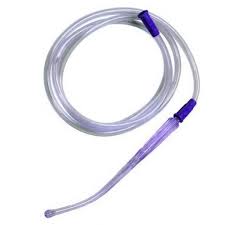
Oral suctioning uses a Yankauer catheter and portable suction machine to remove saliva and secretions when someone cannot clear them due to impaired swallowing, neuromuscular weakness or excess saliva. It is commonly needed in conditions such as MND, Parkinson’s, head and neck cancer and for people nearing end of life.
Provision across Greater Manchester varies, leading to delays in equipment, unclear responsibilities for assessment and training, and inconsistent standards of care. With no regional service or national guidance, a coordinated approach was required.
The network led a project to support development of shared guidance, including:
- Mapping current practice
- Engaging community teams, specialists and equipment services
- Identifying gaps in pathways and training
- Consulting local neurology and neurorehabilitation consultants to agree a medical pathway
- Developing regional guidance and toolkit resources
This work has clarified regional practice and highlighted areas for improvement. Local SOPs, training materials, risk assessments, equipment information and service specifications have been collated to support teams in developing consistent processes.
You can download the guidance and associated Oldham examples of best practice on our webpage.
|
| |
|
Stroke Association news
 In March, the charity's teams will come together at the Salford Innovation Centre for a day of training, learning and welcoming new starters. The theme is connectivity, reflecting the value of working together to strengthen support for stroke survivors. In March, the charity's teams will come together at the Salford Innovation Centre for a day of training, learning and welcoming new starters. The theme is connectivity, reflecting the value of working together to strengthen support for stroke survivors.
Thank you to Nicola Boyle for sharing a recent example of how joined‑up working helped improve outcomes for an individual struggling to access services. Stories like this highlight why strong connections between teams and services matter.
The Power of Lived Experience
Stroke survivors are playing a central role in shaping their work, including the Cost of Stroke project. Their insight has helped guide discussions, highlight overlooked issues and ensure the work reflects real experience. Thank you to Sarah and Nick for inviting us to the recent Patient and Carer Group meeting - listening to members was inspiring and will help shape their upcoming Greater Manchester Day.
Updated Aphasia Resources
Refreshed aphasia materials are now available, offering clearer guidance and improved accessibility for survivors and professionals. You can access them on their website.
Get Involved – Volunteer at Our Cheer Stations
This year the organisation will run two cheer stations in Manchester: at the Manchester Marathon on 19 April and the Great Manchester Run on 31 May. They are still looking for volunteers - please share widely or sign up using the registration form.
|
| |
|
National Neurology meeting
The network attended the National Neurology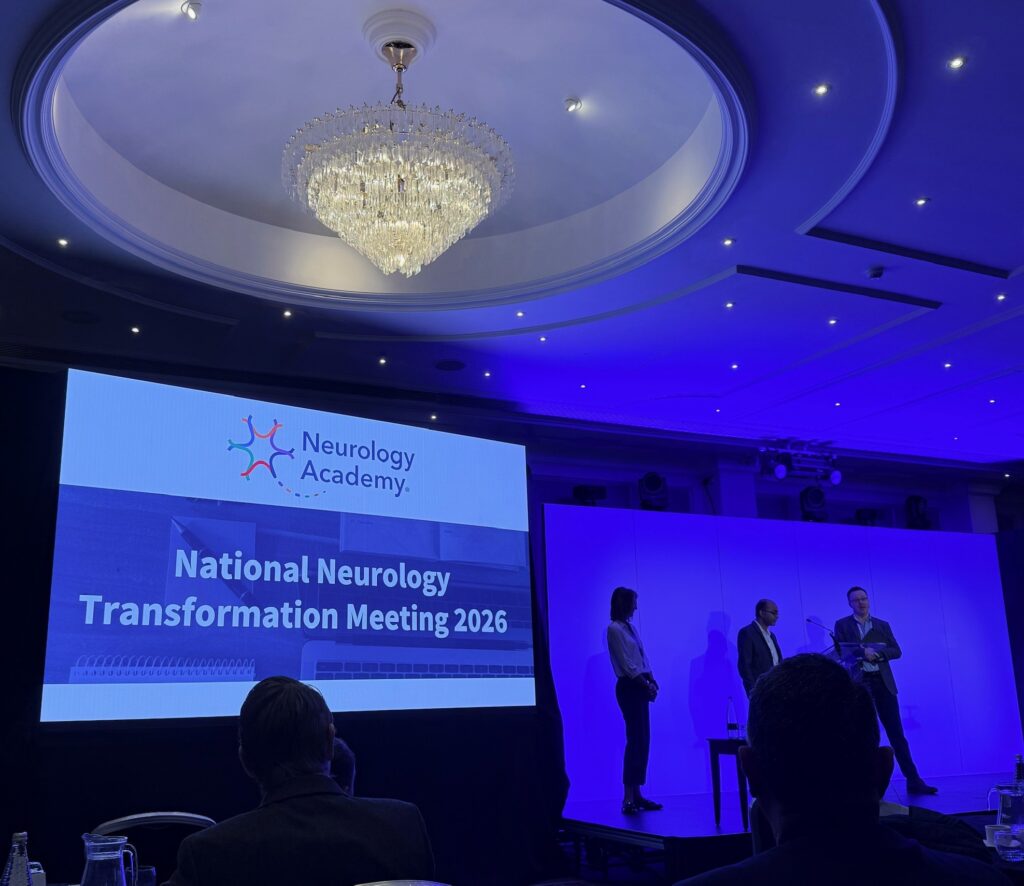 Transformation Meeting on 4 February in Birmingham. It was a useful opportunity to link with colleagues across neurology and hear how regions are adapting to NHS changes. Transformation Meeting on 4 February in Birmingham. It was a useful opportunity to link with colleagues across neurology and hear how regions are adapting to NHS changes.
The main discussions focused on ICB developments, the role of new national structures such as the UK Neuro Forum, and the impact on future commissioning. Our poster on the region's new Neurogenic Bladder and Bowel Service generated helpful conversations with others working on similar issues.
Sessions highlighted practical priorities: reducing variation, improving transitions, strengthening links between neurology, mental health and stroke, and using data more effectively. Workforce challenges and the need for better long‑term planning were recurring themes.
A powerful contribution came from someone with lived experience, emphasising the importance of recognising mental health needs throughout the diagnostic journey. The event also showcased national resources and guidance designed to support pathway improvement. Overall, it was a productive day with a clear sense of collaboration despite system pressures.
|
| |
|