Welcome to our regular online bulletin bringing you news about the network and the wider world of stroke and neurorehabilitation |
| |
|
Network news
It's been a few months since we last shared a bulletin, and a great deal has happened. You may be aware that our funding position has become increasingly uncertain in recent years, as NHS England stroke funding has gradually reduced and now discontinued. To respond to this challenge, we undertook an organisational change process to reduce costs and are currently working closely with the NHS Trusts that fund us.
In the short term, funding has been confirmed for the current financial year, with a review to help develop a longer-term plan for the future. We are extremely hopeful that this will enable us to continue supporting quality improvement across Greater Manchester, ensuring our services remain among the best in the country. It is vital that Trust senior leaders understand the value and impact of our contribution, so please take every opportunity to champion our work and how much you value and rely on our support.
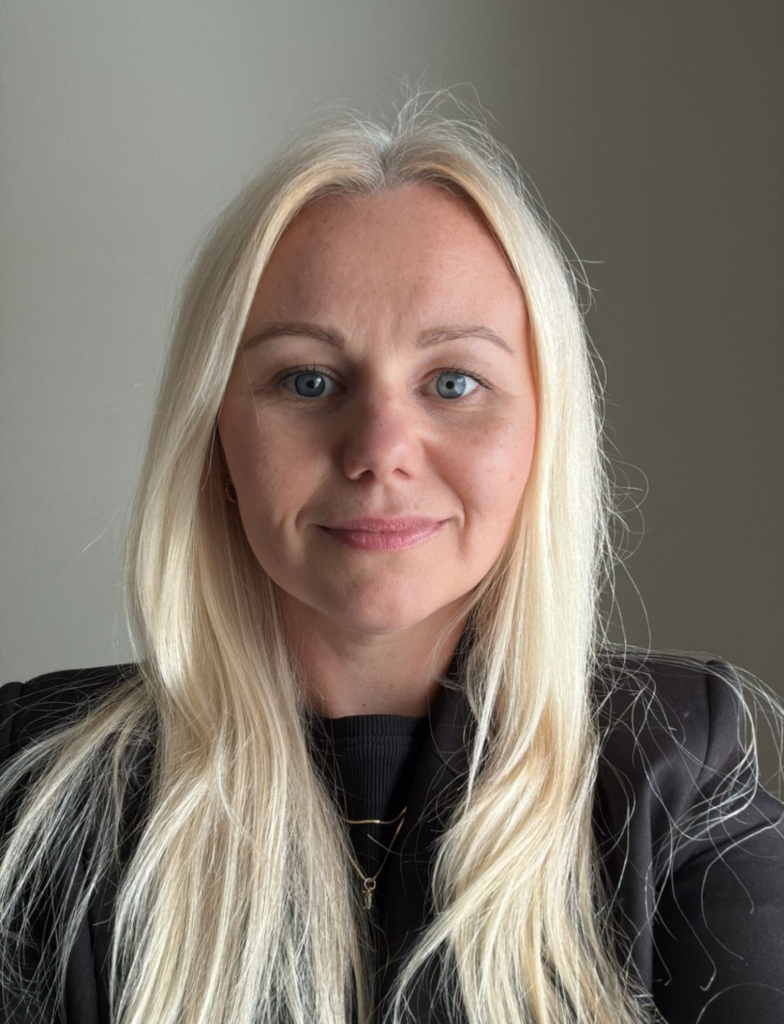 We now have a full complement of clinical leads having appointed Stuart McDarby and Susan Bannister for community in February and April respectively. We were delighted when Lauren Crutchley (pictured) joined the team in June as our Inpatient Rehabilitation lead. We now have a full complement of clinical leads having appointed Stuart McDarby and Susan Bannister for community in February and April respectively. We were delighted when Lauren Crutchley (pictured) joined the team in June as our Inpatient Rehabilitation lead.
All are extremely experienced clinicians and senior leaders in local services. Stuart is a Physiotherapist and co leads the Bury Community Stroke & Neurorehabilitation team, with Susan, also a physio, heading up Bolton's Long Term Conditions service. Lauren is a lead Occupational Therapist in Stepping Hill Hospital's stroke unit. Our leads are still settling in, and attending our team visits currently underway. You can get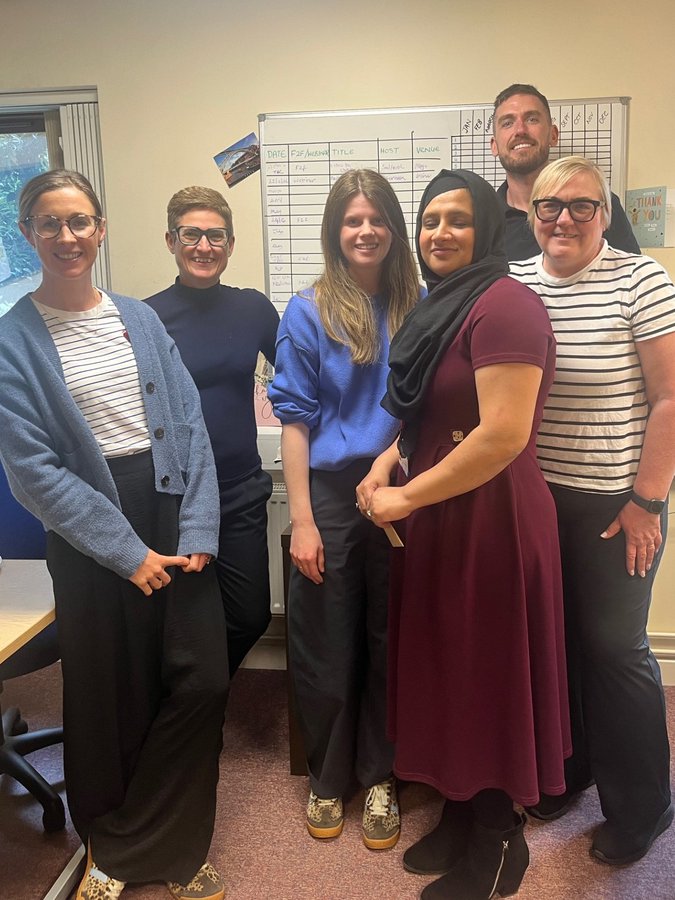 in touch via our team webpage if you need. in touch via our team webpage if you need.
As part of our changes, we have downsized the core team with Farheen and Gemma moving to the Northern Care Alliance NHS FT's service improvement team. We are hugely grateful for everything they have both contributed during their time with us, and wish them the very best in their new roles.
|
| |
|
New resources for community pharmacy
 Community pharmacy teams across Greater Manchester are being invited to access a new stroke and Transient Ischaemic Attack (TIA) information toolkit and eLearning package designed to strengthen prevention, early recognition and ongoing support for patients affected by stroke. Community pharmacy teams across Greater Manchester are being invited to access a new stroke and Transient Ischaemic Attack (TIA) information toolkit and eLearning package designed to strengthen prevention, early recognition and ongoing support for patients affected by stroke.
Community pharmacies often have regular contact with people who may be at risk of stroke or living with the long-term effects of the condition. Pharmacy teams can play a vital role in identifying risk factors, supporting medicines optimisation, promoting healthy lifestyle changes, recognising stroke symptoms using the FAST approach, and signposting patients to appropriate services.
A new toolkit and eLearning package has been developed, in collaboration with pharmacists, to provide practical guidance, clear clinical information and increased confidence for pharmacy professionals in supporting stroke prevention and recovery.
To ensure the resources reach as many pharmacy professionals as possible, a programme of engagement is taking place in the coming months. The Greater Manchester Local Pharmaceutical Committee will be supporting promotion through a dedicated face-to-face engagement event with community pharmacies in September. Additionally, they will be distributing a specially designed information flyer during their visits to pharmacies. professionals as possible, a programme of engagement is taking place in the coming months. The Greater Manchester Local Pharmaceutical Committee will be supporting promotion through a dedicated face-to-face engagement event with community pharmacies in September. Additionally, they will be distributing a specially designed information flyer during their visits to pharmacies.
The resources are on our website, with similar tailored information also available for GP Practices.
|
| |
|
Pathway improvement updates
Analogue to digital
 The NHS 10 Year Plan for Health and the new Modern Service Framework for Cardiovascukar Disease (featured later in the bulletin) both lean into the digital "left shift". A task and finish group is considering how to support the safe and effective adoption of digital and AI technologies. It is focused on improving digital literacy and confidence, sharing learning and best practice, and identifying tools that can enhance patient care while reducing administrative burden for staff. The NHS 10 Year Plan for Health and the new Modern Service Framework for Cardiovascukar Disease (featured later in the bulletin) both lean into the digital "left shift". A task and finish group is considering how to support the safe and effective adoption of digital and AI technologies. It is focused on improving digital literacy and confidence, sharing learning and best practice, and identifying tools that can enhance patient care while reducing administrative burden for staff.
The group is still gathering digital expertise and seeking to align with existing Trust initiatives. It will focus on sharing ideas and exploring implementation of new innovations together, with a review of apps and other digital products undertaken over the Summer. Please email sarah.rickard@nca.nhs.uk if you want to join the group.
Improving discharge delays
Our visits to stroke units and community teams have highlighted that some areas continue to experience significant barriers that delay the discharge of patients from inpatient services. In many cases, these challenges arise from a lack of trust, effective communication, and consistent processes between health and social care teams. highlighted that some areas continue to experience significant barriers that delay the discharge of patients from inpatient services. In many cases, these challenges arise from a lack of trust, effective communication, and consistent processes between health and social care teams.
We are working collaboratively with the Integrated Care Board's social care team to drive improvements for patients being discharged from Fairfield General Hospital's stroke unit. The team faces challenges associated with differing processes across four localities, and a workshop is planned for September to bring together key stakeholders.
A similar initiative is underway for East Cheshire residents, where the current commissioning arrangements for social care services are highly complex resulting in variation in experience for some patients.
TIA
Following extensive consultation, we have now launched an updated TIA referral form. The new document aims to improve the consistency, quality and completeness of TIA referrals across Greater Manchester to ensure the right patients are being referred in a timely way. launched an updated TIA referral form. The new document aims to improve the consistency, quality and completeness of TIA referrals across Greater Manchester to ensure the right patients are being referred in a timely way.
Trusts are being encouraged to adopt the proforma when updating local referral forms and processes. To support implementation, two versions are available on our website: a standardised Word format and an electronic version with pre-populated drop-down menus and check boxes.
Spasticity
 The steering group has reviewed the findings from the region-wide audit of stroke and neurorehabilitation services. It will drive the implementation of a Greater Manchester-wide transformation plan with the following areas of focus: The steering group has reviewed the findings from the region-wide audit of stroke and neurorehabilitation services. It will drive the implementation of a Greater Manchester-wide transformation plan with the following areas of focus:
- Governance, audit & standardisation - review and relaunch of existing resources/processes
- Pathways & transitions of care
- Workforce development - expanding professionals who can provide injections
- Access to interventions & equipment - this will be led via an associated project on specialist seating
Key priorities include strengthening communication and collaboration between services, enhancing the sharing of knowledge and best practice, and developing a sustainable workforce plan to support greater access to injections. The group is also focused on addressing gaps in provision for housebound patients.
Paediatric transition into adult neurorehabilitation services
 Our community neurorehabilitation teams have undertaken a benchmarking exercise to assess compliance with the relevant NICE guidelines. The review identified variation in localities including communication and coordination between paediatric and adult services, access to and funding of equipment, and the absence of formalised transition pathways in some areas. Our community neurorehabilitation teams have undertaken a benchmarking exercise to assess compliance with the relevant NICE guidelines. The review identified variation in localities including communication and coordination between paediatric and adult services, access to and funding of equipment, and the absence of formalised transition pathways in some areas.
In response, the network is developing a webpage that will include best practice examples and resources from across the region. Teams have been encouraged to strengthen relationships with their paediatric counterparts and establish more robust communication channels where these are currently lacking. The aim is to promote a more consistent, coordinated approach to transition and improve outcomes and experiences for young people moving into adult services.
|
| |
New specialist gym in Bury
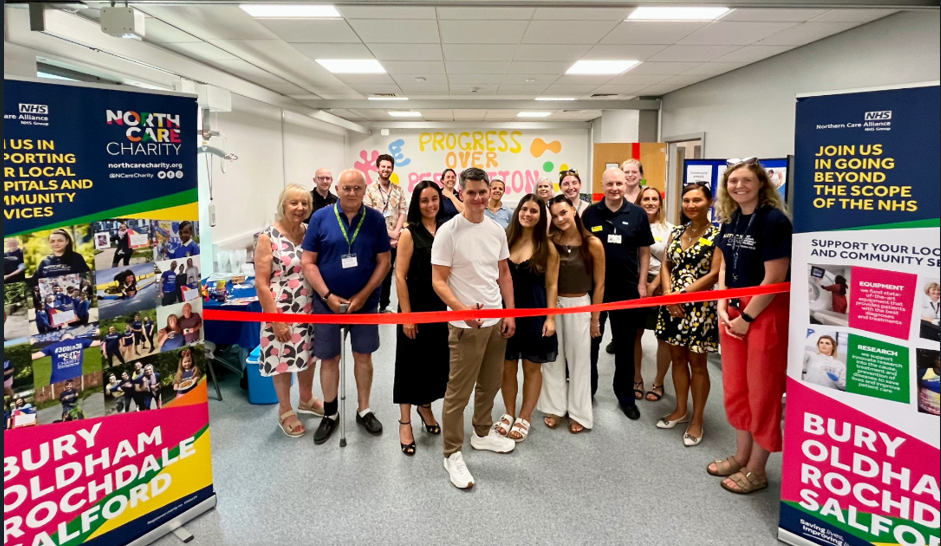
The Bury Community Stroke & Neurorehabilitation Team (CSNRT) was delighted to mark the official opening of the new Blossom Suite Stroke & Neuro Rehabilitation Gym in Radcliffe. The event celebrated the incredible support of NorthCare Charity fundraisers David Hiscott and family, and Dougie Zinis, whose generosity, alongside contributions from the CSNRT, local communities and business partners, helped make this fantastic facility a reality.
The new gym will play an important role in supporting people recovering from stroke and neurological conditions, providing a dedicated space for rehabilitation that helps improve wellbeing, independence and recovery outcomes.
The Blossom Suite is already being put to good use, housing the team's new Life After Stroke Clinic, Neuro Triage Clinics and a range of specialist treatment sessions. This purpose-designed space is enhancing the care and support available to patients across Bury and the surrounding areas. This achievement reflects the power of patient support, and the work of the charity creating a lasting resource that will benefit patients and families for years to come. |
| |
|
Training & development

Review of activity
During 2025/26, we delivered a comprehensive training programme designed to strengthen skills, knowledge and confidence. Open to professionals in the NHS and voluntary sector, our programme combined face‑to‑face events, webinars and online learning, with a strong focus on practical, applied training that supports evidence‑based practice across our care pathways. You can view in more detail in our training report.
Key highlights:
- 4 webinars and 5 in person training events
- 216 attended online training; 374 registered for in person events – 590 in total
- Our portfolio of >100 YouTube videos were viewed 2,622 times and 245 hours
- Our videos have now been watched over 35,991 times since launch
Relaunch of our YouTube channel
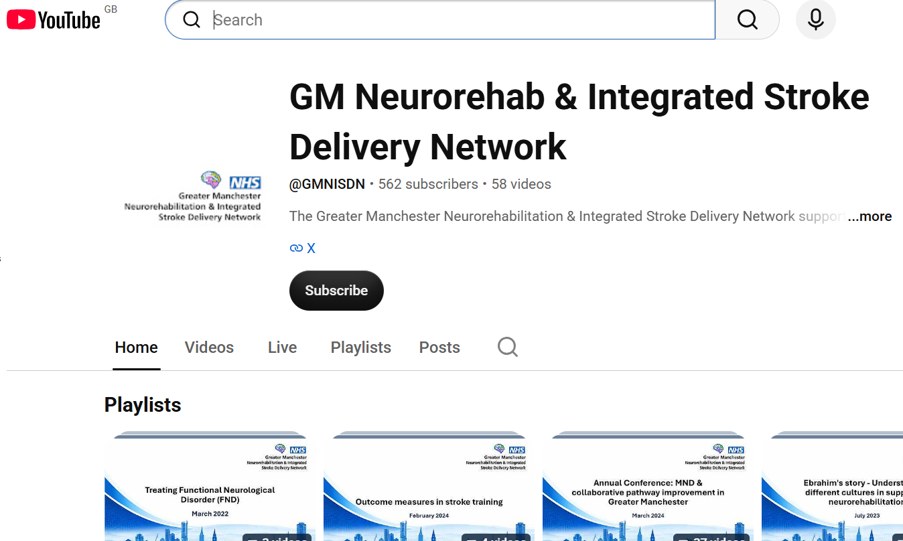
We have updated our YouTube channel which offers a significant number of webinars covering a wide range of topics. The videos are organised into playlists, with many more unlisted but available on request - you can view a list on our training page.
Our training website pages are also a useful source of information and include our events, Elearning packages, online resources and course information.
Current training opportunities
Introductory level
- Wigan - to be confirmed
- Stepping Hill Hospital – 12th November
Experienced level
Continence (in association with Coloplast) – 11th September |
| |
|
New Modern Service Framework for Cardiovascular Disease (CVD)
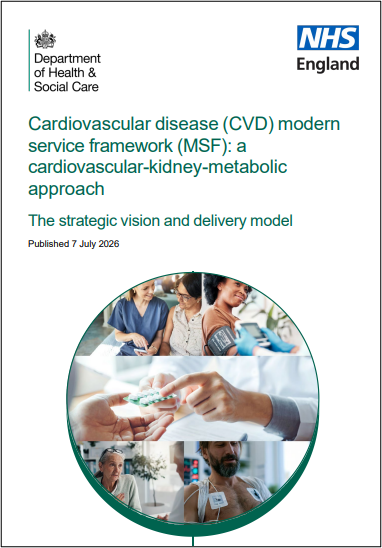 The Department of Health and Social Care and NHS England have published a new framework, setting out a 10-year vision to reduce premature deaths from heart disease and stroke by 25%. The document focuses on prevention, earlier diagnosis, reducing inequalities, improving acute care and expanding rehabilitation. The Department of Health and Social Care and NHS England have published a new framework, setting out a 10-year vision to reduce premature deaths from heart disease and stroke by 25%. The document focuses on prevention, earlier diagnosis, reducing inequalities, improving acute care and expanding rehabilitation.
Stroke is a priority, with a strong focus on:
- Faster access to organised specialist stroke care
- Improved treatment for intracerebral haemorrhage
- Expansion of thrombectomy services
- Improved rehabilitation and recovery support
- Prevention of stroke
- Reducing variation and inequalities in outcomes
While TIA is not identified as a standalone priority, the framework's emphasis on managing blood pressure, atrial fibrillation, cholesterol, diabetes and smoking directly supports stroke and TIA prevention. A significant theme throughout is the move towards digital care, supported self-management and remote monitoring.
The framework presents opportunities for the us to continue leading improvement across prevention, acute stroke care, rehabilitation, digital innovation and reducing inequalities. We will be discussing in more detail at our next Oversight Group and are fully engaged with system efforts via the Integrated Care Board.
|
| |
|
Salford services evaluate Phagenyx
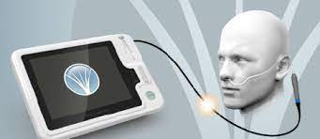 A working party between Salford Royal Hospital's neurorehabilitation wards (C2 and L1) and critical care developed a successful application to the North Care Charity to purchase 15 Phagenyx catheters and a base station to allow a cross-service evaluation of the treatment. A working party between Salford Royal Hospital's neurorehabilitation wards (C2 and L1) and critical care developed a successful application to the North Care Charity to purchase 15 Phagenyx catheters and a base station to allow a cross-service evaluation of the treatment.
Phagenyx is a neurostimulation system that uses Pharyngeal Electrical Stimulation to treat severe swallowing difficulties. It works by delivering targeted, low-level electrical pulses to the sensory nerves in the throat (pharynx) via a specialized catheter. This sensory stimulation travels up to the brain, promoting neuroplasticity which restores the neural pathways necessary for coordinated, safe swallowing.
The teams are now working hard to devise procedures and training plan ahead of the launch on 4th August. The treatment will be offered to patients who meet the selection criteria who have sensory dysphagia with and without tracheostomy. The service evaluation aims to:
- Collect data to understand the treatment and operational outcomes of the selected cohort
- Support refinement of patient selection criteria and understanding of optimised timing of treatment
- Collate data to support a business case for a Phagenyx treatment pathway as part of standard care
|
| |
|
Valuing the voices of lived experience
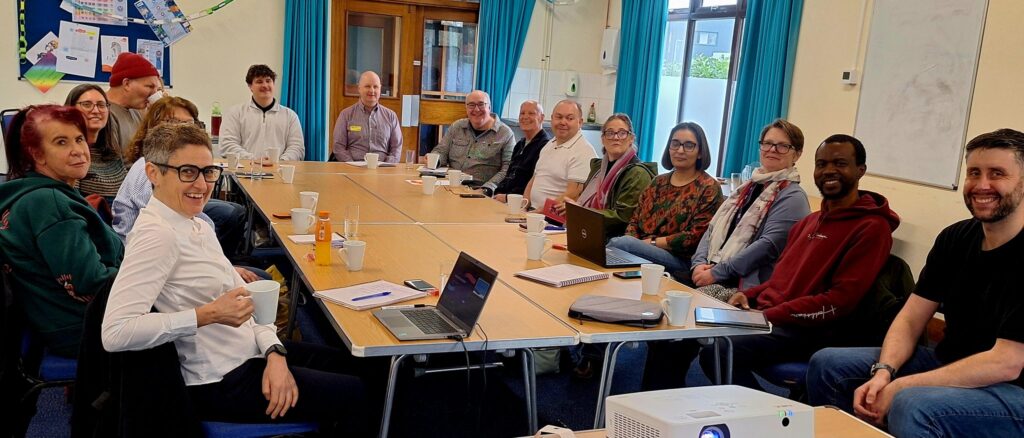
We continue to regularly bring patients, carers and professionals together to make our local services better for the people who rely on them most. Our Patient and Carer Group meets quarterly for more than just discussion, and is a powerful reminder that lived experience must sit at the heart of service improvement.
 Members bring their own personal journeys and the meetings create a space where every voice matters. Ground rules emphasise respect, listening and inclusion ensuring everyone has time to speak and be heard. This helps turn conversations into meaningful contributions that can directly influence how services evolve. Members bring their own personal journeys and the meetings create a space where every voice matters. Ground rules emphasise respect, listening and inclusion ensuring everyone has time to speak and be heard. This helps turn conversations into meaningful contributions that can directly influence how services evolve.
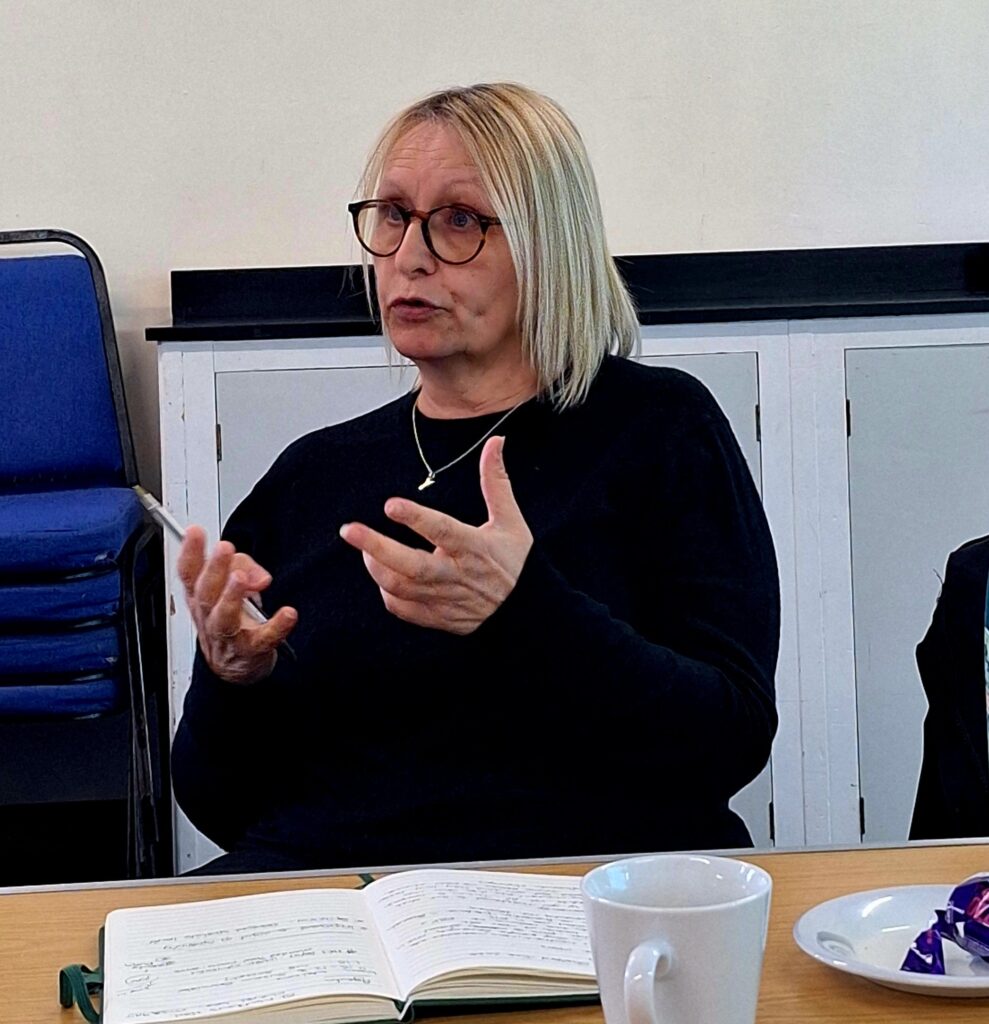
At our June meeting, the focus was making information more accessible, with discussions on producing a Plain English version of our annual report. We also heard from Yvonne (pictured above) from the MS Society about the charity and how they support those affected by the condition.
 Susan Bannister (pictured) introduced herself as our new Community Clinical Lead and shared more about her focus on life after stroke and longer-term support which resonated strongly. Members highlighted key challenges still faced including unequal access to services, delays in support, and difficulties navigating the system. Susan Bannister (pictured) introduced herself as our new Community Clinical Lead and shared more about her focus on life after stroke and longer-term support which resonated strongly. Members highlighted key challenges still faced including unequal access to services, delays in support, and difficulties navigating the system.
The group also heard about improving access to spasticity management, with recognition that patient and carer involvement in this project will be essential. The group is not just a talking shop – it is a vital partner in shaping better services.
|
| |
|
MS Society news
 Neuro plan now. Millions can't wait. Neuro plan now. Millions can't wait.
The charity are campaigning for the UK Government to introduce an MSF for neurological conditions as they have done for CVD. There’s currently no plans for one in England to improve access to services. Together, with The Neurological Alliance, they have launched an open letter to the Secretary of State for Health and Social Care. It's calling for a national plan for neurological conditions in England. You can find further information and sign the letter here.
Fampridine recommended for use in England
Fampridine is a drug that can help some people with Multiple Sclerosis (MS) walk quicker. NHS England has now recommended its use. This came after the National Institute of Health and Care Excellence (NICE) decided not to recommend it in 2022. Later this month, the patent on the fampridine brand Fampyra runs out so it can be manufactured and sold by other companies more cheaply.
"We’re delighted that fampridine has finally been approved for use on the NHS in England and today’s announcement finally fixes a longstanding injustice. Over 120,000 people live with MS in England, and until now, many have been forced to pay privately for the drug or miss out altogether – despite fampridine being approved in the rest of the UK’’ Ceri Smith, Head of Policy and Evidence
More information about Fampridine and eligibility is here. |
| |
|
Network annual reports published
 In May we published an annual review of our activities, with a Plain English version launched in July. The report marks 10 years of improving services for people affected by stroke and neurological conditions across Greater Manchester. In May we published an annual review of our activities, with a Plain English version launched in July. The report marks 10 years of improving services for people affected by stroke and neurological conditions across Greater Manchester.
Over the past year, the network has continued to bring together key stakeholders to drive improvements in care, recovery and quality of life. Patient and carer voices have played a key role in shaping our priorities and service development programme.
Key achievements include innovations in stroke prevention through heart-monitoring technology, faster access to brain scans and specialist treatment, and improved care pathways. Greater Manchester remains a national leader in rehabilitation, with more patients accessing community support after hospital discharge.
The network has also helped introduce an award-winning bladder and bowel service and expanded emotional wellbeing support. Looking ahead, priorities include prevention, digital innovation, reducing inequalities and providing more care closer to home, while improving patient independence and outcomes.
|
| |
|
Stroke Association news
 Make May Purple was relaunched this year to focus on Stroke Awareness Month. Thank you to everyone who supported initiatives and activities across Greater Manchester. The charity encouraged individuals, businesses, schools and community groups to sign up to fundraise and encouraged beneficiaries, healthcare professionals, campaigners and the general public to raise awareness of the life changing impact of stroke too. Make May Purple was relaunched this year to focus on Stroke Awareness Month. Thank you to everyone who supported initiatives and activities across Greater Manchester. The charity encouraged individuals, businesses, schools and community groups to sign up to fundraise and encouraged beneficiaries, healthcare professionals, campaigners and the general public to raise awareness of the life changing impact of stroke too.
They were blown away by the response, with around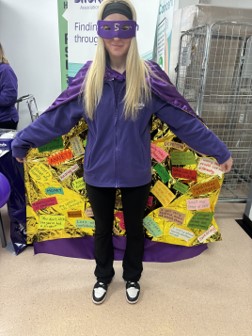 50 specific Make May Purple activities across the region with an event in all 10 boroughs. Activities included: a triathlon, walking 10K every weekend plus a range of awareness stands, wearing purple day at school, an interview on Muslim Heritage radio, and a street party, as well as activity on wards and hospitals. 50 specific Make May Purple activities across the region with an event in all 10 boroughs. Activities included: a triathlon, walking 10K every weekend plus a range of awareness stands, wearing purple day at school, an interview on Muslim Heritage radio, and a street party, as well as activity on wards and hospitals.
Stroke Survivor and volunteer, Summer Clarke from Tameside (pictured), attended the stroke ward displaying a cape, designed at the Tameside young persons group. The cape was designed to show the hidden effects on the inside, with the stroke survivor as the hero on the outside.
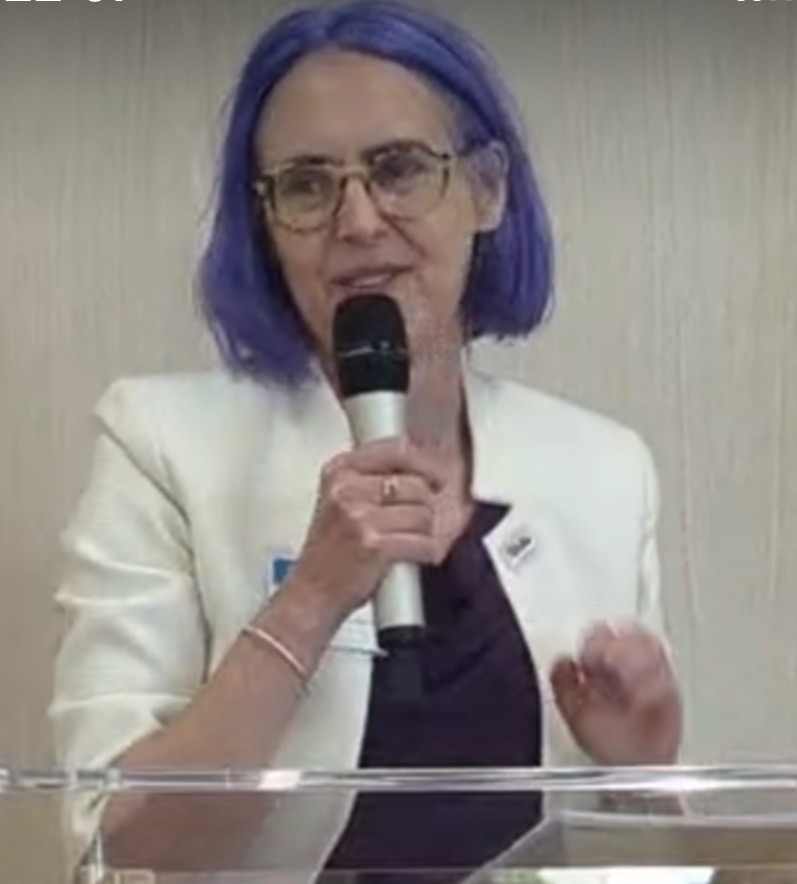 Nationally the organisation has been Making Parliament Purple. Their policy and influencing team asked MPs to wear purple or a stroke pin badge for Prime Minister’s Questions on 20th May, and were delighted that MP Uma Kumaran used her question to ask what the government is doing for people affected by stroke. You can view the clip on social media channels. Their CEO Juliet Bouverie (pictured) also bravely followed through on her purple pledge to dye her hair purple to raise awareness and funds. Nationally the organisation has been Making Parliament Purple. Their policy and influencing team asked MPs to wear purple or a stroke pin badge for Prime Minister’s Questions on 20th May, and were delighted that MP Uma Kumaran used her question to ask what the government is doing for people affected by stroke. You can view the clip on social media channels. Their CEO Juliet Bouverie (pictured) also bravely followed through on her purple pledge to dye her hair purple to raise awareness and funds.
|
| |
|